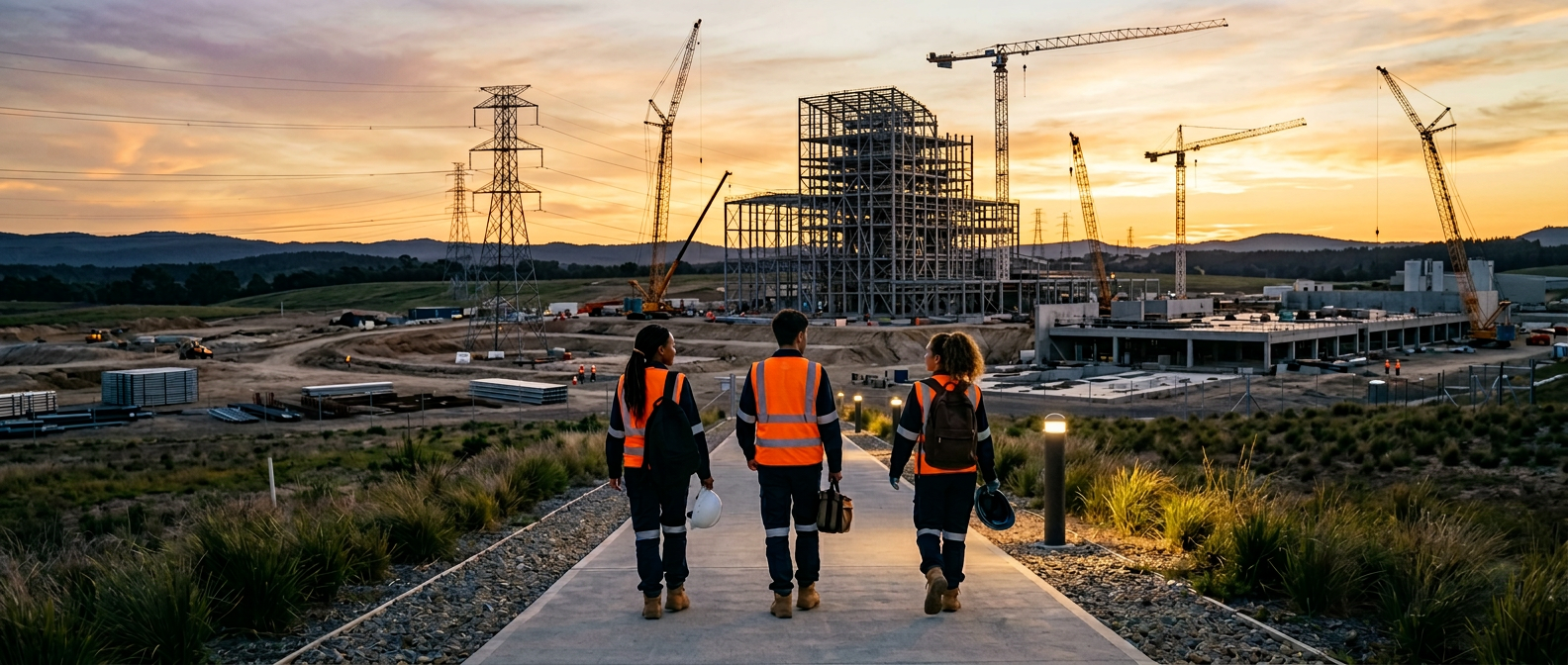
Revealing the science in skilled work.
CTE is applied science education. The story America tells about it hasn't caught up.
The jobs long considered safe — analytical, managerial, professional — are the first to fall. The work automation can't touch is going unfilled by the millions. The safe path and the open one just traded places.
This is the work that runs on trained human judgment in the physical world — the kind that commands the machines instead of competing with them.
The country spent a century telling young people the trades were beneath them. We were wrong. We don't have another one to make it right.

The shortage of skilled workers isn't new. Too few young people have chosen CTE pathways. Too many critical jobs have gone unfilled. Families took on historic levels of student debt chasing degrees whose promise has quietly eroded.
What's changed is the other side of the labor market. AI is making the jobs once considered safe feel a lot less so — and the country suddenly has a reason to look at the work, and the people, it has been overlooking.
Skeptics will say we've heard this before. They can point to decades of well-intentioned, industry-specific initiatives that never reached scale because each sector addressed its own piece of a problem that belongs to all of us.
What has never existed, until now, is a permanent alliance across industry lines, reaching students at the K-12 level where career identity actually forms. The CTE Science Alliance is that infrastructure.
The CTE Science Alliance: elevating CTE as real‑world science.
The Alliance unites the industries that depend on skilled workers — trade associations, major employers, workforce investors, education institutions — around a single claim: CTE, taught well, is applied‑science education. It is a critical source of the nation's technical talent. It is where the science behind STEM is built, run, and maintained in the real world.
We don't set policy, and we don't duplicate the pipeline work our members already lead. We do the one thing no single industry can do alone: change the story America tells about skilled work.

Science is not just a subject. It’s a way of thinking.
Every child starts as a scientist. Long before a textbook arrives, a kid is already running the scientific method — guessing how something works, testing it, getting it wrong, trying again with more determination, not less. Failure isn't shameful. It's just the next clue. That isn't a metaphor. That's the scientific method — running on its own, before anyone's named it.
Then the system trades that instinct for a different lesson. On the path we tell most kids is the safe one, a failed test stops being information and becomes a verdict to be ashamed of. Bit by bit, kids stop learning to discover and start learning to pass. The flame they were born with doesn't go out on its own. It gets trained out of them.
So when an adult says "I was never a science person," they aren't telling you about their ability. They're describing something that was done to them.
The CTE Science Alliance exists to keep that flame lit.
In CTE, curiosity is the curriculum. Students build, test, measure, get it wrong, go again. Applied science doesn't only live in labs and lecture halls. It lives in the trained minds and hands of the technicians, builders, and creators who keep the country running.
Four programs. One foundation.
Science Mapping. We identify and document the applied science embedded in CTE pathways — and make it visible to the families, policymakers, and industries whose pipelines depend on it. Most people have never asked which scientific concepts are taught in a CTE classroom. The answer reframes the conversation.
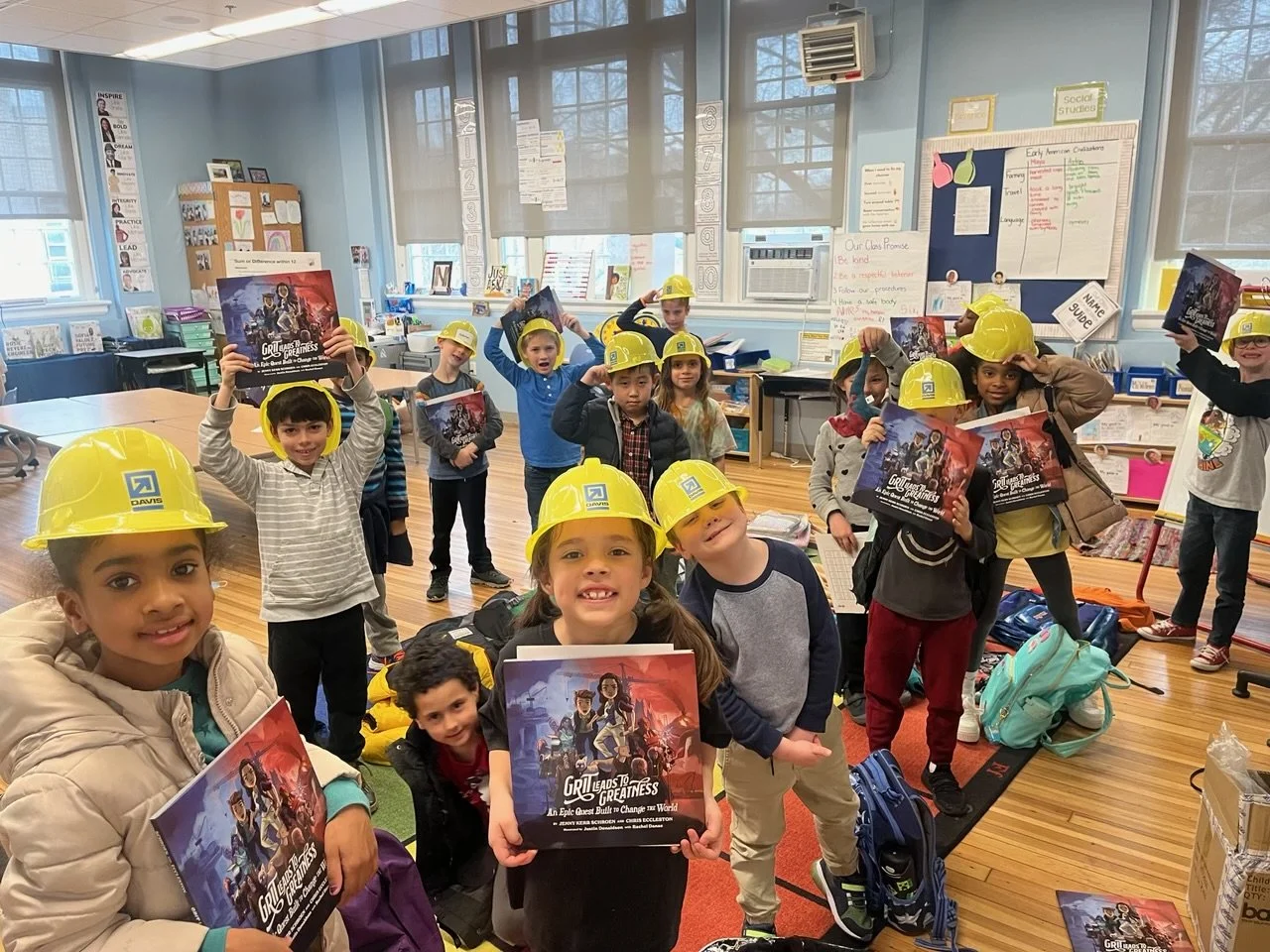
CTE Teach-Ins. High school and postsecondary CTE students design and teach real science lessons in elementary and middle school classrooms, drawn from a growing Alliance curriculum and their own coursework, and delivered by the students themselves. In every campaign to date, 6 out of 10 school markets have generated local television news, the medium that still reaches working families most reliably.
Cross-Industry Convenings. Working sessions, not conferences. The Alliance brings senior leaders from trade associations, major employers, education institutions, and policy organizations together around a shared workforce narrative rather than sector-specific agendas.
Infographics & Earned Media. Every science map becomes a set of visual products designed to travel — through industry communications, Capitol Hill briefings, and the press.
Join the Founding Circle
Shape a permanent alliance — and the story it tells.
Every industry that depends on skilled workers is already investing in the pipeline — in scholarships, classroom outreach, career-day materials, sector-specific initiatives. Those investments matter. But they work in parallel, not together. And they rarely reach students at the age when career identity actually forms.
The CTE Science Alliance is the infrastructure that makes those investments compound.
Founding Circle members help decide which sectors we map first, which tools we build, and which rooms we enter. They take a ground-floor position in the first coalition to unite these industries around a single story — one that reaches local media at a rate national campaigns can't replicate, and one that gets CTE students into elementary and middle school classrooms as teachers, not as recruitment targets.
The Founding Circle is not a sponsorship. It is the founding seat in the only permanent, multi-industry alliance built specifically to reshape the workforce narrative at the K-12 level — for the trade associations whose members need the talent, and for the companies and investors whose workforce commitments deserve more leverage than any single sector can give them.